
Death and Taxes
April 2026
by John Partridge
It is said that the only two certain things in life are death and taxes.
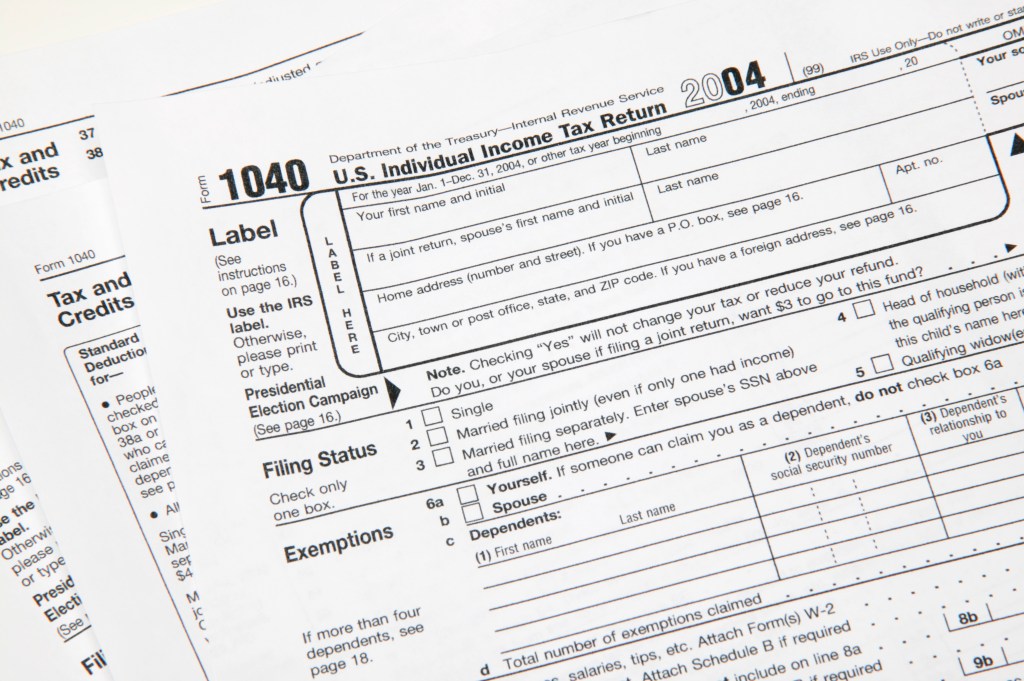
And, since this month is the deadline for filing our federal income taxes, that seems like an appropriate topic. But, maybe not in the way that you might think. Our taxes, local, state, and federal, are things that we, as a society, have chosen to do together, though often they are also things that our elected representatives have decided that we should do and added that burden onto us as well. Regardless of our complaints to the contrary, these are burdens that we have, one way or another, chosen for ourselves.
As United Methodists, I have sometimes heard our conference apportionments described as taxes, but that language is not only officially discouraged, it’s wrong. Despite the feeling that our apportionments are levied on us from afar and, much like taxes, we do have the ability to elect representatives that vote on these things, a fundamental difference remains. While taxes are most often spent on things that we want for ourselves, such as defense, healthcare, highway, sanitation, parks, and so on, our apportionments are largely dedicated to helping others, doing the work of God’s kingdom, and sharing the Good News of Jesus Christ outside the four walls of our church. Occasionally, we are on the receiving end of that giving pipeline when local churches apply for grants to do projects that benefit their communities. When that happens, other churches in our connection are helping us to reach for, and to accomplish, projects that would otherwise have been far too big for us to attempt on our own.
But that brings us to what is often an even more misunderstood idea in the church, and that is… the tithe. Several of you, if not more, just grumbled. But most, if not all, of that is why I say that the tithe is misunderstood. First, gifts to God, and gifts to the church… are not tithes. Whenever scripture mentions these things together, they are two separate things, tithes… and offerings. Offerings are just what they sound like. A gift that is presented to God. These gifts, biblically, could be an expression of thanks for what God has done, or as a part of a vow to God, or the fulfillment of a ritual. But regardless, they are gifts that are in addition to, or outside the scope of, an ordinary tithe.
So, what is the tithe?
Scripturally, the Old Testament said that when God gave the people freedom, blessings, land, and abundance, that his people were to return one tenth of what they had gained each year to God in obedience and in appreciation for what God had done for them. A big part of that was directed to the priests of God who, unlike the other eleven tribes of Israel, did not receive an inheritance of land but who relied upon the tithes of the other tribes for food, shelter, and survival. Tithes that were in excess of what was needed by the priesthood maintained the temple and were to be used by the temple leaders to care for widows, orphans, the poor, and anyone who legally, or financially, couldn’t care for themselves.
While this still sounds a lot like a tax, there are several things that are different. First, while God commanded that this was something that his people were to do, it is one of the few, if not the only, command that had no penalty for failing to obey. God never said that failing to do so was a sin, or that he would bring calamity upon those who didn’t or couldn’t tithe. From the beginning, this was an aspirational command, something that God’s people were called to do, but with the understanding that people in poverty wouldn’t be able to do give that much. Second, while God people are often warned never to test God, and there are plenty of stories in which people are chastised or punished for testing God, this is the single and only thing about which God openly invites and challenges his people to test him. In Malachi 3:10, God says:
“Bring the whole tithe into the storehouse, that there may be food in my house. Test me in this,” says the Lord Almighty, “and see if I will not throw open the floodgates of heaven and pour out so much blessing that there will not be room enough to store it.”
Unlike government taxes that we pay out of obligation, self-interest, and fear of retribution, God asks that we give back a small portion of what he has given to us out of gratitude, devotion, and love. Moreover, God promises that if we dare to test him by giving him these gifts, he will pour out even more abundant, even amazing, blessings upon us, not to mention even defeating death and granting us eternal life.
They say that the only certain things in life are death and taxes.
But for the followers of Jesus Christ, we can only be certain of taxes.
And tithes are not one of them.
Please LIKE and SHARE!
Click here to subscribe to Pastor John’s blog.
Click here if you would like to subscribe to Pastor John’s weekly messages.

 Pastor Partridge