Promise, Proof, Patience

Promise, Proof, Patience

(Third Sunday of Advent)

December 14, 2025*

By Pastor John Partridge

Isaiah 35:1-10                        James 5:7-10              Matthew 11:2-11

At the end of last week’s service, we remembered that there is more to the meaning of peace than the absence of war. It is, instead, a place of comfort and an absence of stress and conflict such that we can have peace even in the midst of war. But this week, as we celebrate the third Sunday of Advent, we celebrate joy. But again, what is joy? We talk a lot about joy, especially during the Advent and Christmas seasons, and a great many works of art and music reference or speak openly of joy. Ludwig van Beethoven wrote the Ode to Joy in which he describes joy as a beautiful spark of divinity and a daughter of Elysium, the hymn, Joyful, Joyful We Adore Thee, which is also known as the Hymn of Joy, says that all the works of God surround him with joy. All of these teach that joy comes from the power that God has demonstrated, the character of who God is, the love that God has shown to his creation, and the faithfulness that God has demonstrated in keeping his promises. Much of what we read and remember during the seasons of Advent and Christmas focus on that, on the fulfillment of God’s promises to his people. And that is what we see in our scriptures as we begin this morning by reading the promises of God given to his people through the prophet Isaiah in Isaiah 35:1-10 where we hear these words:

35:1 The desert and the parched land will be glad;
    the wilderness will rejoice and blossom.
Like the crocus, it will burst into bloom;
    it will rejoice greatly and shout for joy.
The glory of Lebanon will be given to it,
    the splendor of Carmel and Sharon;
they will see the glory of the Lord,
    the splendor of our God.

Strengthen the feeble hands,
    steady the knees that give way;
say to those with fearful hearts,
    “Be strong, do not fear;
your God will come,
    he will come with vengeance;
with divine retribution
    he will come to save you.”

Then will the eyes of the blind be opened
    and the ears of the deaf unstopped.
Then will the lame leap like a deer,
    and the mute tongue shout for joy.
Water will gush forth in the wilderness
    and streams in the desert.
The burning sand will become a pool,
    the thirsty ground bubbling springs.
In the haunts where jackals once lay,
    grass and reeds and papyrus will grow.

And a highway will be there;
    it will be called the Way of Holiness;
    it will be for those who walk on that Way.
The unclean will not journey on it;
    wicked fools will not go about on it.
No lion will be there,
    nor any ravenous beast;
    they will not be found there.
But only the redeemed will walk there,
10     and those the Lord has rescued will return.
They will enter Zion with singing;
    everlasting joy will crown their heads.
Gladness and joy will overtake them,
    and sorrow and sighing will flee away.

God says that the desert will bloom, Israel will become as green and as verdant as the nation of Lebanon which supplied much of the ancient world with the massive cedar timbers that were used to build temples and other important buildings. He says that the eyes of the blind would be opened, the deaf would hear, the lame would be healed, the mute would speak, and Israel would become a place of safety and holiness. And it is precisely those promises that we hear Jesus lift up when John the Baptist began to have doubts and sent his disciples to ask if Jesus is really the Messiah that God had promised. We find that story in the words of Matthew in Matthew 11:2-11 when he says:

When John, who was in prison, heard about the deeds of the Messiah, he sent his disciples to ask him, “Are you the one who is to come, or should we expect someone else?”

Jesus replied, “Go back and report to John what you hear and see: The blind receive sight, the lame walk, those who have leprosyare cleansed, the deaf hear, the dead are raised, and the good news is proclaimed to the poor. Blessed is anyone who does not stumble on account of me.”

As John’s disciples were leaving, Jesus began to speak to the crowd about John: “What did you go out into the wilderness to see? A reed swayed by the wind? If not, what did you go out to see? A man dressed in fine clothes? No, those who wear fine clothes are in kings’ palaces. Then what did you go out to see? A prophet? Yes, I tell you, and more than a prophet. 10 This is the one about whom it is written:

“‘I will send my messenger ahead of you,
    who will prepare your way before you.’

11 Truly I tell you, among those born of women there has not risen anyone greater than John the Baptist; yet whoever is least in the kingdom of heaven is greater than he.

When John asks if Jesus is the Messiah that God had promised, Jesus points back to the words of Isaiah and simply says, “Go back and report… what you hear and see.” The blind see, the deaf hear, the lame walk, the incurable is cured, the dead are raised, and the good news of God even reaches the poor. After John’s disciples leave to give him the message, Jesus goes on to say that the mission of John the Baptist had been exactly what the prophet Malachi had foretold, to prepare the way for the arrival of the Messiah.

“‘I will send my messenger ahead of you,
    who will prepare your way before you.’
(Malachi 3:1)

Jesus says that if there is any doubt that he is the Messiah, then just look at the proof the everyone could see with their own eyes. Jesus was doing the things that God’s prophets had predicted hundreds of years earlier. But not all of them. Some of the things that God promised through Isaiah did not come to pass in the time of Jesus and have not yet happened in our own time. This was understood in the first century as much as it is today. Israel had not yet achieved the greatness that Isaiah described, the desert has not yet been transformed, and Jerusalem is not yet a place of safety and holiness. But as God’s people considered these things, the Apostle James encouraged them by saying that just because it had not happened yet, didn’t mean that it wasn’t going to happen. In James 5:7-10 he said:

Be patient, then, brothers and sisters, until the Lord’s coming. See how the farmer waits for the land to yield its valuable crop, patiently waiting for the autumn and spring rains. You too, be patient and stand firm, because the Lord’s coming is near. Don’t grumble against one another, brothers and sisters, or you will be judged. The Judge is standing at the door!

10 Brothers and sisters, as an example of patience in the face of suffering, take the prophets who spoke in the name of the Lord.

James, and the people of the first century understood that while Jesus had not fulfilled all of God’s promises during his time on earth, that he had fulfilled enough to prove that he was the Messiah and would fulfill the remaining promises upon his return. Until then, James said, be patient. Just as farmers must be patient as they wait for a crop that they have planted, we must have faith in the process and wait. We must be patient and stand firm in our faith and trust in God’s character. And as we wait, we must treat each other well and not grumble and complain about what other siblings in Christ are doing or how they do it. James understood the truth that many of those in the church in the first century, and in the twenty-first century, did not have a great life. Many of those who believed in Jesus Christ had endured suffering and few of us can escape suffering as we live our lives upon the earth. As such, James points to the prophets themselves, nearly all of whom suffered even after answering the call to speak for God. But even in their suffering, they were patient because they knew that God would be victorious over evil and they trusted their lives, their futures, their descendants, and their eternity in God’s hands.

The message of joy that we hear during the season of Advent is that our God is faithful and always keeps his promises. He has proven his faithfulness in the life, death, and resurrection of his son, Jesus, and we are called to be patient as we endure the suffering and struggle of our lives on earth until the return of Jesus Christ, and his final victory over sin and death.

In the stories of scripture, and in the stories of Christmas, we have seen the evidence of God’s faithfulness…

…and we are filled with joy.


Please LIKE and SHARE!

Click here to subscribe to Pastor John’s blog.

Click here if you would like to subscribe to Pastor John’s weekly messages.

Click here to visit Pastor John’s YouTube channel.


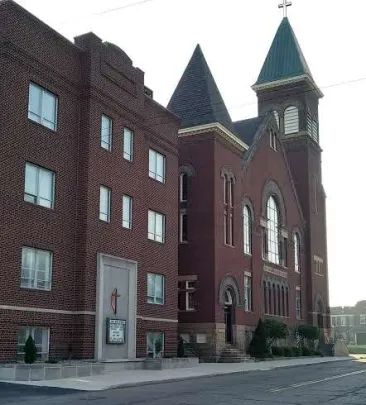
*You have been reading a message presented at Christ United Methodist Church on the date noted at the top of the first page.  Rev. John Partridge is the pastor at Christ UMC in Alliance, Ohio.  Duplication of this message is a part of our Media ministry, if you have received a blessing in this way, we would love to hear from you.  Letters and donations in support of the Media ministry or any of our other projects may be sent to Christ United Methodist Church, 470 East Broadway Street, Alliance, Ohio 44601.  These messages are available to any interested persons regardless of membership.  You may subscribe to these messages, in print or electronic formats, by writing to the address noted, or by contacting us at secretary@CUMCAlliance.org.  These messages can also be found online at https://pastorpartridge.com .  All Scripture quotations, unless otherwise indicated, are taken from the Holy Bible, New International Version®, NIV®. Copyright ©1973, 1978, 1984, 2011 by Biblica, Inc.™ Used by permission of Zondervan. All rights reserved worldwide. www.zondervan.comThe “NIV” and “New International Version” are trademarks registered in the United States Patent and Trademark Office by Biblica, Inc.™


Moving from Fear to Hope

Moving from Fear to Hope

(First Sunday of Advent)

November 30, 2025*

By Pastor John Partridge

Isaiah 2:1-5                Matthew 24:36-44                 Romans 13:11-14

As we begin the season of Advent this week, we celebrate hope. Hope is both key, and central to, this season as we prepare for the arrival of the Messiah at Christmas. The subject, and the message of hope has arisen many times in our studies together throughout the year, but it is especially apparent as we read the stories of scripture to which the lectionary points during the seasons of Advent and Christmas. We begin this morning by reading the promises of God to the people of Judah given through his prophet Isaiah. In these words, Isaiah offers encouragement regarding Israel’s eventual return from their captivity in Babylon, but as we read, we will quickly realize that the promise that God gives them goes far beyond their return from Babylon in 538 BCE. Reading from Isaiah 2:1-5, we hear this:

2:1 This is what Isaiah son of Amoz saw concerning Judah and Jerusalem:

In the last days

the mountain of the Lord’s temple will be established
    as the highest of the mountains;
it will be exalted above the hills,
    and all nations will stream to it.

Many peoples will come and say,

“Come, let us go up to the mountain of the Lord,
    to the temple of the God of Jacob.
He will teach us his ways,
    so that we may walk in his paths.”
The law will go out from Zion,
    the word of the Lord from Jerusalem.
He will judge between the nations
    and will settle disputes for many peoples.
They will beat their swords into plowshares
    and their spears into pruning hooks.
Nation will not take up sword against nation,
    nor will they train for war anymore.

Come, descendants of Jacob,
    let us walk in the light of the Lord.

This begins simply by saying that God sent a vision to Isaiah and what follows is a description of what he saw regarding the last days of the earth before the judgement of God. And in those last days, Isaiah says that God’s temple would be built on the highest of mountains and Israel’s God will rule over all the nations and all the people of the earth. People will come to God’s city so that they can learn to walk in the ways of his teaching, and not only will they set aside their weapons, but their abandonment of war and their commitment to living in peace will be unending so that peace will prevail upon the earth for all time.

This is a message that is as relevant for us today as it was six centuries before Jesus. Like us, the people of Israel and Judah had watched centuries of wars and violence tear apart their families, villages, and their nation as well as the nations around them. Israel had been conquered by several nations, and would be conquered by several more, as well as the violence of a civil war before the coming of Jesus Christ. While we may be able to list many wars fought in the last century by memory, all the wars on Israel’s list had been fought over the land in which they lived. And so, then, as now, the promise of unending peace was an almost unbelievable message of hope.

And then, nearly six hundred years later, as Jesus speaks with his disciples about the end of the age and the coming of the Son of Man, they all understand that what Jesus is describing is the final fulfillment of the promises of God contained in the message of Isaiah. The disciples want to know when that is going to happen, when will the Romans be overthrown, when will Israel’s God be worshipped by the entire world, when will the violence end, and when would there finally be peace on earth? And in Matthew 24:36-44, Jesus says:

36 “But about that day or hour no one knows, not even the angels in heaven, nor the Son, but only the Father. 37 As it was in the days of Noah, so it will be at the coming of the Son of Man. 38 For in the days before the flood, people were eating and drinking, marrying and giving in marriage, up to the day Noah entered the ark; 39 and they knew nothing about what would happen until the flood came and took them all away. That is how it will be at the coming of the Son of Man. 40 Two men will be in the field; one will be taken and the other left. 41 Two women will be grinding with a hand mill; one will be taken and the other left.

42 “Therefore, keep watch, because you do not know on what day your Lord will come. 43 But understand this: If the owner of the house had known at what time of night the thief was coming, he would have kept watch and would not have let his house be broken into. 44 So you also must be ready, because the Son of Man will come at an hour when you do not expect him.

Jesus is clear in telling his followers that none of us can ever know exactly when the end of this age is going to come, but just because we cannot know, doesn’t mean that we should be unprepared. If you live on the east coast of the United States, you cannot know when a hurricane is going to hit the town in which you live, but you can be certain that it will happen eventually. And because you know, you learn how to watch for the signs. You can read the clouds, you watch the weather on television, you keep an emergency weather radio charged up during hurricane season, and you have a list of preparations made in advance. You may have a supply of food, an escape route planned out of the city, a place to stay with friends inland, precut boards or hurricane shutters to cover your windows, and a host of other preparations. And Jesus says that like the residents of the east coast we, as the followers of God, should keep watch, look for the signs of the coming of the end of the age, and to be prepared so that when it comes, we will be ready.

But how?

As we live neither in the past of the old or new testaments, and not yet at the end of the age, how do we live in the now? This is the same question that the people of the first century were asking. While Jerusalem had not yet been destroyed, at the time that Paul wrote his letter to the church in Rome, there was already growing violence in Israel. Assassins had already murdered the high priest, many communities and people were in open revolt against an increasingly corrupt occupying Roman government, and the Roman army was fighting back with great violence. In less than ten years, there would be all out war between the Jews and Rome. And in this time of uneasiness and alarm, Paul gives this advice on how the followers of Jesus Christ should live their lives in Romans 13:11-14, saying:

11 And do this, understanding the present time: The hour has already come for you to wake up from your slumber, because our salvation is nearer now than when we first believed. 12 The night is nearly over; the day is almost here. So let us put aside the deeds of darkness and put on the armor of light. 13 Let us behave decently, as in the daytime, not in carousing and drunkenness, not in sexual immorality and debauchery, not in dissension and jealousy. 14 Rather, clothe yourselves with the Lord Jesus Christ, and do not think about how to gratify the desires of the flesh.

While Paul admits that we do not know when the end will come, he explains that it is obvious that the end was closer now than it was when Isaiah wrote the promises of God, or when Jesus walked with his disciples. Even though we don’t know when Jesus will return, each day that passes after the resurrection is one day closer to his return and the day of judgement. And so, as we hold tightly to the hope that we have been given through the promises that we have heard in the words of Isaiah and the gospel writers, we must live in the now by setting aside the deeds of darkness and living lives that are filled with light. We must set aside drunkenness, sexual immorality, and internal church conflicts and live in ways that reflect the teaching and the model of Jesus Christ. It is the universal temptation of humanity to live lives in the selfish pursuit of pleasure and greed, to do what feels good, or what is the most profitable. But instead, Paul tells us that our calling is to set aside these desires of the flesh, and instead do our best to wear the clothes of Jesus Christ and to represent him well. Our goal should not be to do what feels good, but to live so much like Jesus that others can see him in us.

God has given us great promises that fill us with hope for the future. But, as we live our lives today, as we live in the “now,” we must watch for the signs of the last days, and live as if Jesus were coming tomorrow so that the world can see him in us, be drawn to him, and be rescued with us.


Please LIKE and SHARE!

Click here to subscribe to Pastor John’s blog.

Click here if you would like to subscribe to Pastor John’s weekly messages.

Click here to visit Pastor John’s YouTube channel.


*You have been reading a message presented at Christ United Methodist Church on the date noted at the top of the first page.  Rev. John Partridge is the pastor at Christ UMC in Alliance, Ohio.  Duplication of this message is a part of our Media ministry, if you have received a blessing in this way, we would love to hear from you.  Letters and donations in support of the Media ministry or any of our other projects may be sent to Christ United Methodist Church, 470 East Broadway Street, Alliance, Ohio 44601.  These messages are available to any interested persons regardless of membership.  You may subscribe to these messages, in print or electronic formats, by writing to the address noted, or by contacting us at secretary@CUMCAlliance.org.  These messages can also be found online at https://pastorpartridge.com .  All Scripture quotations, unless otherwise indicated, are taken from the Holy Bible, New International Version®, NIV®. Copyright ©1973, 1978, 1984, 2011 by Biblica, Inc.™ Used by permission of Zondervan. All rights reserved worldwide. www.zondervan.comThe “NIV” and “New International Version” are trademarks registered in the United States Patent and Trademark Office by Biblica, Inc.™

A Promise Kept. But Why?

A Promise Kept. But Why?

(Christmas Eve)

December 24, 2024*

By Pastor John Partridge

Isaiah 9:2-7 Titus 2:11-14              Luke 2:1-14, (15-20)

We’ve had a great evening of celebration, and we all know that Christmas is a time of joy, wonder, gratitude, and thanksgiving. We give thanks for the coming of the Messiah, Jesus, who was and is the rescuer of the world. In the scriptures that were read this evening we heard God’s promise through the prophet Isaiah that the Messiah would bring light to the darkness, freedom to the captives, and peace to the world. When we turn on the news and we hear messages of missiles, bombs, bullets, and warfare around the world, and as our nation spends trillions of dollars to maintain the largest military ever seen on the face of the earth, hearing God’s promise that every warrior’s boot, and every blood-stained garment will be thrown into the fire is a powerful message. It is for us, just as hopeful, and just a powerful as it must have been for the people of Israel so many years ago. But God’s promise didn’t stop there. Isaiah continues by saying that the coming Messiah would take over the government, that he would govern in greatness, that the peace under his rule would never end, and that he would establish, and uphold, justice and righteousness forever. That sounds just as fantastic, impossible, and hopeful in the twenty first century as it must have sounded in in the time of Isaiah eight hundred years before the birth of Jesus.

But Luke tells the story about God keeping the promise that Isaiah had proclaimed. A story of how the savior, Israel’s messiah, had been born, how an angels had announced his arrival to lowly shepherds on a hillside rather than in the halls of the palace, and how an entire choir, a host of angels, had praised and given glory to God, and how, having heard the message, and seen for themselves, the shepherds became the first preachers, heralds, and missionaries and spread the word about the messiah’s arrival.

But why?

Why did these things happen? Why did God promise, and why did God keep his promise? Why did God go to all that effort? Why did God send his own son to earth? Why did God care?

And this evening we heard the answer from God in the words of Titus. It is because of God’s grace that he sent the Messiah. It was and is grace that offers rescue to the people of the world. It is grace that teaches us to say “no” to ungodliness and the passions of the world. It is grace that teaches us to live self-controlled, upright, and godly lives while the world spirals into selfishness, lust, greed, and depravity. And it is grace that empowers us as we wait for the fulfillment of our hope in the coming of Jesus Christ because it was Jesus who gave us the gift of himself to redeem us from wickedness, to rescue us from sin and death, and to purify us so that we could become his people. It was Jesus who gave himself so that we could become a people who were eager to do what is good.

The story is just as amazing, fantastic, impossible, hopeful, and wonderful as it has always been. And our mission is the same as that of the shepherds who heard the story from a host of angels on a hillside two thousand years ago. Let us go out from this place glorifying and praising God for all that we have heard and seen and tell the world the good news of our rescue, of God’s grace, and of Jesus’ gift.

Jesus is the greatest gift of all.

It isn’t a story that we could keep to ourselves, nor is it a story that we were ever intended to keep for ourselves. As the angels said, it is good news, of great joy…

…for all the people.

Merry Christmas.


Please LIKE and SHARE!

Click here to subscribe to Pastor John’s blog.

Click here if you would like to subscribe to Pastor John’s weekly messages.

Click here to visit Pastor John’s YouTube channel.


*You have been reading a message presented at Christ United Methodist Church on the date noted at the top of the first page.  Rev. John Partridge is the pastor at Christ UMC in Alliance, Ohio.  Duplication of this message is a part of our Media ministry, if you have received a blessing in this way, we would love to hear from you.  Letters and donations in support of the Media ministry or any of our other projects may be sent to Christ United Methodist Church, 470 East Broadway Street, Alliance, Ohio 44601.  These messages are available to any interested persons regardless of membership.  You may subscribe to these messages, in print or electronic formats, by writing to the address noted, or by contacting us at secretary@CUMCAlliance.org.  These messages can also be found online at https://pastorpartridge.com .  All Scripture quotations, unless otherwise indicated, are taken from the Holy Bible, New International Version®, NIV®. Copyright ©1973, 1978, 1984, 2011 by Biblica, Inc.™ Used by permission of Zondervan. All rights reserved worldwide. www.zondervan.comThe “NIV” and “New International Version” are trademarks registered in the United States Patent and Trademark Office by Biblica, Inc.™
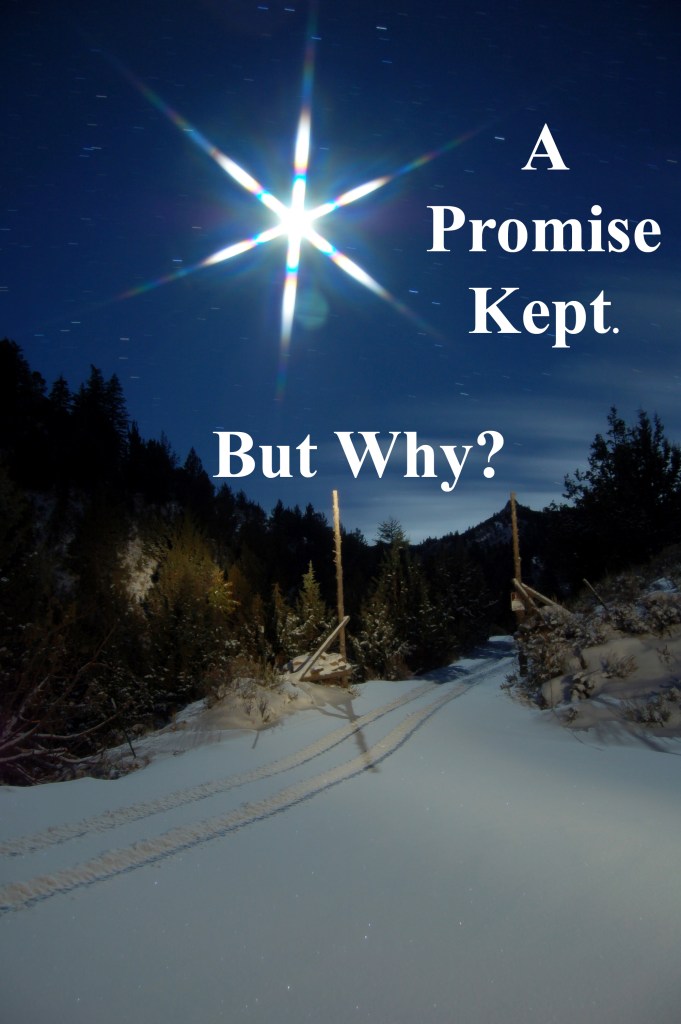
Photo by bjearwicke on Freeimages.com

An Invitation to the Familiar and Unchanging

An Invitation to the Familiar and Unchanging

Pastor’s Christmas Letter 2024
by John Partridge

It is not what I expected. Patti and I are busy. Our “to do” lists for Christmas, for the end of the year, and just in general are long. We always have things to do. I expected that once our children were all out of the house and on their own that we would have a bit more time to relax. And, I suppose, some of the time that is true. We no longer have holiday band concerts and a dozen Christmas parties to attend for all the school groups and scout groups and other things with which our children were involved, but in many cases, other things seem to have stepped into their place to occupy our time.

This year Noah had purchased tickets to see his Pittsburgh Steelers play on Christmas day so there was a question of when he might make an appearance at our house (but he decided to sell them for a profit instead). And we might not see Jonah at all as he prepares to move from Texas to his next duty station in Georgia. But we know that we will spend time with Lina, Daniel, and watch as little baby Quinn celebrates his first Christmas with us.

But as much as our lives change, the more I sometimes lean into the comfortable traditions of the church. Our children grow, move out, and their lives go on. Our activities and traditions at home adapt, change, and evolve into something new. But the cycle of Advent and Christmas as church continues much as it has for generations. Minor changes and additions are made with each new generation but much of the old and the familiar remain. Pastor Chris reminded me this morning that the Christmon ornaments that decorate the tree in our sanctuary were once new, but the creators of those “new” ornaments attended worship at Christ Church more than 40 years ago. I suspect that if members who attended here or more years ago could somehow walk through our doors this Christmas season, they would notice the things that have changed but would still find much that was familiar and comforting.

But isn’t that just an architectural reflection of our relationship with Jesus Christ? From the time that we are born until the time that our life on earth comes to an end, our lives are constantly changing. Our families change, the people close to us change, we grow, we change jobs, change careers, have children, watch those same children grow up and move out, then watch the cycle repeat with grandchildren. In my lifetime, not counting school dormitories or military barracks, I have lived in thirteen homes. And, as a married couple, Patti and I have lived in six of those homes. But throughout that time, we have always celebrated Advent and Christmas. The Christmases that we celebrated at church with our grandparents, our parents, and our children were not much changed despite the passing years. While we may have worshiped in different churches in various places, we still worshiped the same God and remembered and celebrated the birth of the same savior.

I hope that all of you will join us this year for our seasonal celebrations during the Advent and Christmas season. The building will feel comfortably familiar, many of the people will be the same as when you attended last year, or even ten years ago, the decorations will likely be the same as those in your memory, and of course, we will worship with the God who never changes, and celebrate the birth of Jesus who is, and was, and always will be.

As much as your life today might be different than it was a year ago, or ten years ago, or even a lifetime ago, I invite you to join us in those things that are familiar and unchanging. May we, together draw closer to one another, and closer to God.

Blessings,

Pastor John


Please LIKE and SHARE!

Click here to subscribe to Pastor John’s blog.

Click here if you would like to subscribe to Pastor John’s weekly messages.

Click here to visit Pastor John’s YouTube channel.


*Rev. John Partridge is the pastor at Christ UMC in Alliance, Ohio.  Duplication of this message is a part of our Media ministry, if you have received a blessing in this way, we would love to hear from you.  Letters and donations in support of the Media ministry or any of our other projects may be sent to Christ United Methodist Church, 470 East Broadway Street, Alliance, Ohio 44601.  These messages are available to any interested persons regardless of membership.  You may subscribe to these messages, in print or electronic formats, by writing to the address noted, or by contacting us at secretary@CUMCAlliance.org.  These messages can also be found online at https://pastorpartridge.com .  All Scripture quotations, unless otherwise indicated, are taken from the Holy Bible, New International Version®, NIV®. Copyright ©1973, 1978, 1984, 2011 by Biblica, Inc.™ Used by permission of Zondervan. All rights reserved worldwide. www.zondervan.comThe “NIV” and “New International Version” are trademarks registered in the United States Patent and Trademark Office by Biblica, Inc.™

Photo by Genkaku on Freeimages.com

Contentment or Envy?

Contentment or Envy?

by John Partridge

December 2024

By the time you read this, Thanksgiving will be over. Already our church is decorated for Advent, and we will celebrate Christmas in just a few weeks. But, this past Sunday, I was reminded of a meme that said something like:

“Only in America can we fight over a discount just one day after giving thanks for what we already have.”

And that got me to thinking about both Thanksgiving and Christmas.

Whether we sat down alone or with family and friends at Thanksgiving, most of us at least briefly considered just how blessed we are. We live in a nation that guarantees us many freedoms that other people in the world do not have. We have food, clothing, shelter, and family and friends that love and care about us. We could spend considerable time making a list of all the things for which we have to be grateful and principle among these is a loving God who cares for us and watches over us.

But with Christmas on the horizon, most of us are already shopping for gifts for family, friends and, if we’re honest, for ourselves. But since we’ve just celebrated Thanksgiving, we should consider how grateful we appear to be if an outsider were to witness our Christmas shopping.

In Hebrews 13:5 the Apostle Paul offers this advice:

Keep your lives free from the love of money and be content with what you have, because God has said,

“Never will I leave you; never will I forsake you.”

As we give thanks to God, and as we shop for gifts, it is that middle part where Paul instructs the church to “be content with what you have” that should give us pause.

It not only causes us to pause, but it is also both concerning and troublesome for those of us who live in a culture that constantly preaches a message of unbridled consumerism.

The meme I mentioned earlier is meant as a joke but, at the same time, it pulls back the curtain and reveals a little of our culture’s dark underbelly. Only the day after we gather to give thanks for what we have, we set out in the wee hours of the morning to fight through crowds of others like-minded individuals to buy even more, consume more, and not because we do not already have enough, but only because we have been sold on the idea that no matter how much we have, we should want even more. We have been convinced that just because it’s new, just because someone else already had one, or just because it can be owned, that we should want one, or perhaps that we should feel that we need one (or several).

And unfortunately, that desire for more has a name (or two).

Wanting more than we really need, and wanting things just because other people have them, or simply because they exist, is either envy, or greed, or both.

This desire for more is the opposite of contentment.

Maybe this doesn’t happen in your home, but we are all familiar with family and friends that spend so much on gifts at Christmastime, that they live in fear of the credit card bills that will arrive in January. We all know people who drive themselves into debt, sometimes deeply, spending money that cannot really afford to spend, just so that they can give gifts that “measure up” to what our culture has convinced us is normal, or to what our friends, coworkers, and classmates will show off when we return to work or school.

Paul could not have envisioned the consumerism of our twenty-first century, but his world was familiar with greed and envy. There were many “haves” but far more “have-nots” that dreamed of more, and many of those dreamed of simply having enough to feed their families. And it was to these folks that Paul cautioned to “be content with what you have.”

And so, as we prepare for Advent and Christmas, let us pause, as we did at thanksgiving, and consider why we are shopping for Christmas, what sorts of gifts we are buying, and how much we are choosing to spend.

Let us consider Paul’s words and ask ourselves…

…Does our Christmas shopping show contentment?…

…Or envy?


Please LIKE and SHARE!

Click here to subscribe to Pastor John’s blog.

Click here if you would like to subscribe to Pastor John’s weekly messages.

Click here to visit Pastor John’s YouTube channel.


*You have been reading a message presented in the Christ United Methodist Church newsletter on the date noted at the top of the first page.  Rev. John Partridge is the pastor at Christ UMC in Alliance, Ohio.  Duplication of this message is a part of our Media ministry, if you have received a blessing in this way, we would love to hear from you.  Letters and donations in support of the Media ministry or any of our other projects may be sent to Christ United Methodist Church, 470 East Broadway Street, Alliance, Ohio 44601.  These messages are available to any interested persons regardless of membership.  You may subscribe to these messages, in print or electronic formats, by writing to the address noted, or by contacting us at secretary@CUMCAlliance.org.  These messages can also be found online at https://pastorpartridge.com .  All Scripture quotations, unless otherwise indicated, are taken from the Holy Bible, New International Version®, NIV®. Copyright ©1973, 1978, 1984, 2011 by Biblica, Inc.™ Used by permission of Zondervan. All rights reserved worldwide. www.zondervan.comThe “NIV” and “New International Version” are trademarks registered in the United States Patent and Trademark Office by Biblica, Inc.™

Waiting for Hope

Waiting for Hope

December 24, 2023*

(Christmas Eve)

By Pastor John Partridge

Isaiah 9:2-7                Luke 2:1-20                Titus 2:11-14

READING 1:

Isaiah 9:2-7

The people walking in darkness have seen a great light;
on those living in the land of deep darkness a light has dawned.
You have enlarged the nation and increased their joy;
they rejoice before you as people rejoice at the harvest,
as warriors rejoice when dividing the plunder.
For as in the day of Midian’s defeat, you have shattered
the yoke that burdens them, the bar across their shoulders,
    the rod of their oppressor.
Every warrior’s boot used in battle and every garment rolled in blood
will be destined for burning, will be fuel for the fire.
For to us a child is born, to us a son is given, and the government will be on his shoulders.
And he will be called Wonderful Counselor, Mighty God, Everlasting Father, Prince of Peace.
Of the greatness of his government and peace there will be no end.
He will reign on David’s throne and over his kingdom, establishing and upholding it
    with justice and righteousness from that time on and forever.
The zeal of the Lord Almighty will accomplish this.

READING 2:

Luke 2:1-7
2:1
 In those days Caesar Augustus issued a decree that a census should be taken of the entire Roman world. (This was the first census that took place while[a] Quirinius was governor of Syria.) And everyone went to their own town to register.

So Joseph also went up from the town of Nazareth in Galilee to Judea, to Bethlehem the town of David, because he belonged to the house and line of David. He went there to register with Mary, who was pledged to be married to him and was expecting a child. While they were there, the time came for the baby to be born, 7and she gave birth to her firstborn, a son. She wrapped him in cloths and placed him in a manger, because there was no guest room available for them.

READING 3:

Luke 2:8-14

And there were shepherds living out in the fields nearby, keeping watch over their flocks at night. An angel of the Lord appeared to them, and the glory of the Lord shone around them, and they were terrified. 10 But the angel said to them, “Do not be afraid. I bring you good news that will cause great joy for all the people. 11 Today in the town of David a Savior has been born to you; he is the Messiah, the Lord. 12 This will be a sign to you: You will find a baby wrapped in cloths and lying in a manger.”

13 Suddenly a great company of the heavenly host appeared with the angel, praising God, and saying,

14 “Glory to God in the highest heaven,
    and on earth peace to those on whom his favor rests.”

READING 4:

Luke 2:15-20

15 When the angels had left them and gone into heaven, the shepherds said to one another, “Let’s go to Bethlehem and see this thing that has happened, which the Lord has told us about.”

16 So they hurried off and found Mary and Joseph, and the baby, who was lying in the manger. 17 When they had seen him, they spread the word concerning what had been told them about this child, 18and all who heard it were amazed at what the shepherds said to them. 19 But Mary treasured up all these things and pondered them in her heart. 20 The shepherds returned, glorifying, and praising God for all the things they had heard and seen, which were just as they had been told.

Waiting for Hope

By Pastor John Partridge

Well… we’ve arrived.

For many of us, Christmas is our favorite season of the year. For some of you here, I have seen your posts on social media counting down to tonight and tomorrow morning. We might have hoped for a white Christmas, but I’m certain that we’ll have enough of that soon enough. We’ve sung the songs, we’ve heard the children, the pipe organ, the choir, and the bells. In a few minutes we will light the candles and welcome Christmas as we sing Silent Night. For many of us that is the moment that we know that Christmas has arrived and our hearts, and our souls are, even if only for a moment… at peace.

But what does it all mean?

Yes, we’ve heard the story. Yes, we know that the King of Kings was born to a virgin, entered into our earthly existence, and begun the journey that led to our salvation and rescue, but what about the here and now? We know the first century story, but what is the twenty-first century story? What does the Christmas story mean to us in our hectic, helter-skelter, world of rushed deadlines, underfunded budgets, and overscheduled calendars?

As much as we love the Christmas story, we all know that it represents just the very beginning of God’s invasion of the world and our work to tell humanity of Christ’s coming and call everyone to repentance and reconciliation with God. The disciples knew that too. And in his letter to his friend, we hear Paul helping Titus to grapple with the message of Jesus Christ and understand his, and our, role in the world around us. Titus was one of Paul’s missionary partners, a pastor, capable church administrator, responsible ally, evangelist, and a trusted friend. And, in Paul’s letter he tells Titus that what we are doing in the post-resurrection world, is… waiting for hope. That’s a puzzling idea, and so let’s read a larger passage from Titus 2:11-14, to hear, in context, what Paul is saying. He says:

11 For the grace of God has appeared that offers salvation to all people. 12 It teaches us to say “No” to ungodliness and worldly passions, and to live self-controlled, upright and godly lives in this present age, 13 while we wait for the blessed hope—the appearing of the glory of our great God and Savior, Jesus Christ, 14 who gave himself for us to redeem us from all wickedness and to purify for himself a people that are his very own, eager to do what is good.

Paul says that the coming of Jesus Christ was, for us, the appearance of God’s grace to the world and offers salvation to all people. That grace, and that rescue, teaches us to navigate the chaos of the world around us. We surrounded by a culture that admires and idolizes lives that are at least, or often completely, out of control and burning with ungodly and worldly passions that worship sex, drugs, gambling, power, and excesses of every kind and flavor. But God’s grace guides us toward lives that are moral, ethical, upright, and self-controlled… which absolutely is not saying that we live lives that are boring, humorless, or without fun or other enjoyment, but that find fun and enjoyment in ways that honor God.

The odd part of Paul’s writing is where it says that we live these lives “while we wait for the blessed hope – the appearing of… Jesus Christ.” I’m certain that Paul isn’t saying that we live without hope, because Jesus Christ is our hope. Rather, I think what he is saying, when he says that we wait for the “blessed hope,” is that we live these lives while we wait for the fulfillment of our hope and return of Jesus Christ.

And so, as we celebrate the birth of our Savior, we must remember not just that he came, but why he came. Jesus came to earth to call the world to repentance, to rescue us from sin and death, to teach us how to live moral, ethical, upright, and godly lives in the middle of a world that is immoral, unethical, out of control, and ungodly. Our mission is to tell the people around us that God offers them a better way and a better life. And we must live and love in such a way, that the people around us can see that better life in us, know that God’s offer is real, and want what we have.

Merry Christmas everyone.


Please LIKE and SHARE!

Click here to subscribe to Pastor John’s blog.

Click here if you would like to subscribe to Pastor John’s weekly messages.

Click here to visit Pastor John’s YouTube channel.


*You have been reading a message presented at Christ United Methodist Church on the date noted at the top of the first page.  Rev. John Partridge is the pastor at Christ UMC in Alliance, Ohio.  Duplication of this message is a part of our Media ministry, if you have received a blessing in this way, we would love to hear from you.  Letters and donations in support of the Media ministry or any of our other projects may be sent to Christ United Methodist Church, 470 East Broadway Street, Alliance, Ohio 44601.  These messages are available to any interested persons regardless of membership.  You may subscribe to these messages, in print or electronic formats, by writing to the address noted, or by contacting us at secretary@CUMCAlliance.org.  These messages can also be found online at https://pastorpartridge.com .  All Scripture quotations, unless otherwise indicated, are taken from the Holy Bible, New International Version®, NIV®. Copyright ©1973, 1978, 1984, 2011 by Biblica, Inc.™ Used by permission of Zondervan. All rights reserved worldwide. www.zondervan.comThe “NIV” and “New International Version” are trademarks registered in the United States Patent and Trademark Office by Biblica, Inc.™

(Insert Your Name Here)

 (Insert Your Name Here)

December 24, 2023*

By Pastor John Partridge

2 Samuel 7:1-11, 16               Luke 1:26-38                          Romans 16:25-27

There is a scene in the 1978 movie, National Lampoon’s “Animal House,” where the new class of pledges for the Delta House are sworn into the fraternity. In it, they are asked to say “I… state your name… “and every single one of them says the words “state your name” instead of saying their name. And we all laughed because we all assume that everyone knows what to do in such a situation. Whenever we fill out forms for our schools, doctors, insurance companies, the Internal Revenue Service, retirement funds, and all sorts of other things, we encounter a box or a line that asks us for our name. At other times, we have been asked to include our names in a script where we take an oath of office, or are sworn into the military, or, in this case, a fraternity, we just include our own names where we are told to do so.

But as common as it is in our everyday lives, we often miss it when the same thing happens as we read scripture. And that’s a point that I want to make today. As we make our final preparations for Christmas tomorrow morning, it’s important for us to remember that we are included in the story of scripture. We aren’t everywhere, of course, because the story is about characters that are so familiar to us. This morning we will hear about King David, the prophet Nathan, the angel Gabriel, Elizabeth, Mary, the Apostle Paul, and… (insert your name here).

We begin with God’s words found in 2 Samuel 7:1-11, 16 where we hear God’s promise to King David given through his prophet Nathan:

7:1 After the king was settled in his palace and the Lord had given him rest from all his enemies around him, he said to Nathan the prophet, “Here I am, living in a house of cedar, while the ark of God remains in a tent.”

Nathan replied to the king, “Whatever you have in mind, go ahead and do it, for the Lord is with you.”

But that night the word of the Lord came to Nathan, saying:

“Go and tell my servant David, ‘This is what the Lord says: Are you the one to build me a house to dwell in? I have not dwelt in a house from the day I brought the Israelites up out of Egypt to this day. I have been moving from place to place with a tent as my dwelling. Wherever I have moved with all the Israelites, did I ever say to any of their rulers whom I commanded to shepherd my people Israel, “Why have you not built me a house of cedar?”’

“Now then, tell my servant David, ‘This is what the Lord Almighty says: I took you from the pasture, from tending the flock, and appointed you ruler over my people Israel. I have been with you wherever you have gone, and I have cut off all your enemies from before you. Now I will make your name great, like the names of the greatest men on earth. 10 And I will provide a place for my people Israel and will plant them so that they can have a home of their own and no longer be disturbed. Wicked people will not oppress them anymore, as they did at the beginning 11 and have done ever since the time I appointed leadersover my people Israel. I will also give you rest from all your enemies.

16 Your house and your kingdom will endure forever before me; your throne will be established forever.’”

David had finally become secure in his leadership of Israel. He has built a palace, united the twelve tribes, settled, and secured the borders with other nations, and at this moment he looks at the tent that houses God’s tabernacle and imagines that it is time to build a permanent dwelling place for the Ark of the Covenant and for Israel’s God. But God isn’t having any of that just yet. God’s words to David are that he is not the one who has been called to build God’s house. Instead, God reminds David of his roots and humble beginnings, how God brought David to this place, how God will place the name of David among the greatest men on the planet, and how God has plans that extend far beyond David’s lifetime. God promises that David’s family, and David’s kingdom will endure forever.

God’s message to David is, “Look how far you have come. Look at how far I have brought you. And I’m not even close to being done yet.”

And that leads us back to the Christmas story in Luke 1:26-38 where God sends the angel Gabriel to visit Mary and announce her pregnancy.

26 In the sixth month of Elizabeth’s pregnancy, God sent the angel Gabriel to Nazareth, a town in Galilee, 27 to a virgin pledged to be married to a man named Joseph, a descendant of David. The virgin’s name was Mary. 28 The angel went to her and said, “Greetings, you who are highly favored! The Lord is with you.”

29 Mary was greatly troubled at his words and wondered what kind of greeting this might be. 30 But the angel said to her, “Do not be afraid, Mary; you have found favor with God. 31 You will conceive and give birth to a son, and you are to call him Jesus. 32 He will be great and will be called the Son of the Most High. The Lord God will give him the throne of his father David, 33 and he will reign over Jacob’s descendants forever; his kingdom will never end.”

34 “How will this be,” Mary asked the angel, “since I am a virgin?”

35 The angel answered, “The Holy Spirit will come on you, and the power of the Most High will overshadow you. So, the holy one to be born will be calledthe Son of God. 36 Even Elizabeth your relative is going to have a child in her old age, and she who was said to be unable to conceive is in her sixth month. 37 For no word from God will ever fail.”

38 “I am the Lord’s servant,” Mary answered. “May your word to me be fulfilled.” Then the angel left her.

Mary wonders how this could happen. She knows where babies come from, but she also knows that she and Joseph have not yet slept together. Given that their two families do not live in the same town, the chances are good that she and Joseph rarely, if ever, see one another, and it’s quite possible that she hasn’t seen him at all since the contract was signed pledging them to be married. But as difficult as it is to believe, Mary accepts her role in this unfolding drama saying, “May your word to me be fulfilled.”

It is important to notice that Gabriel also affirms God’s promise to David, and Mary understands that she will be a part of the fulfillment of that promise. God promises that Mary’s son will inherit the throne of King David and become a part of a kingdom that will never end. And so, Mary clings to God’s promise. If God has come this far, over thousands of years, to fulfill his promise to David, Mary’s prayer is that God will do the same for his promise to her, saying, “May your word to me be fulfilled.”

But what does that have to do with us?

Where is the fill in the blank part?

And as we often do, we find the application in Romans 16:25-27, in the very last words of Paul’s letter to the church in Rome where he says…

25 Now to him who is able to establish you in accordance with my gospel, the message I proclaim about Jesus Christ, in keeping with the revelation of the mystery hidden for long ages past, 26 but now revealed and made known through the prophetic writings by the command of the eternal God, so that all the Gentiles might come to the obedience that comes fromfaith— 27 to the only wise God be glory forever through Jesus Christ! Amen.

And there it was. Did you hear it, or did you miss it?

Paul says that God has revealed his salvation, through his son Jesus Christ, through the writings of the prophets of Israel… so that… all the nations, or in another translation all the Gentiles, might come to obedience and faith. God says that the entire journey of the people of Israel, through Abraham, David, and to the Christmas story, Mary, Joseph, and Jesus, the entire story was commanded by God for the purpose of bringing hope to the world and calling the Gentiles, and all the nations of the world, to faith in Jesus.

That is where you can insert your name.

Paul said, “the message I proclaim about Jesus Christ, in keeping with the revelation of the mystery hidden for long ages past, 26 but now revealed and made known through the prophetic writings by the command of the eternal God, so that (insert your name here) might come to the obedience that comes fromfaith…”

But the story isn’t over.

The story wasn’t over when God brought David from herding sheep to unite the twelve tribes of Israel, and the story wasn’t over with the birth, life, death, and resurrection of Jesus. God did all these things so that all nations, and all people, might come to obedience and faith in Jesus Christ.

There is still work to do.

And God is calling each one of you, (insert your name here) to finish the job.


Please LIKE and SHARE!

Click here to subscribe to Pastor John’s blog.

Click here if you would like to subscribe to Pastor John’s weekly messages.

Click here to visit Pastor John’s YouTube channel.


*You have been reading a message presented at Christ United Methodist Church on the date noted at the top of the first page.  Rev. John Partridge is the pastor at Christ UMC in Alliance, Ohio.  Duplication of this message is a part of our Media ministry, if you have received a blessing in this way, we would love to hear from you.  Letters and donations in support of the Media ministry or any of our other projects may be sent to Christ United Methodist Church, 470 East Broadway Street, Alliance, Ohio 44601.  These messages are available to any interested persons regardless of membership.  You may subscribe to these messages, in print or electronic formats, by writing to the address noted, or by contacting us at secretary@CUMCAlliance.org.  These messages can also be found online at https://pastorpartridge.com .  All Scripture quotations, unless otherwise indicated, are taken from the Holy Bible, New International Version®, NIV®. Copyright ©1973, 1978, 1984, 2011 by Biblica, Inc.™ Used by permission of Zondervan. All rights reserved worldwide. www.zondervan.comThe “NIV” and “New International Version” are trademarks registered in the United States Patent and Trademark Office by Biblica, Inc.™

Pastor’s Christmas Letter

Pastor’s Christmas Letter

by John Partridge

Dear Friends,

This year the Advent season seemed to sneak up on us faster than I remember others in the past and we are already racing towards Christmas. This seems to race even faster when our fourth Sunday of Advent falls on Christmas Eve morning. This feeling of hectic scheduling makes it even more important that we be deliberate in preparing ourselves for the celebration of our Lord’s birth. I don’t just mean buying presents and decorating our homes, but preparing our hearts and our souls so that we can enjoy and appreciate the arrival of the newborn king.

I admit that since I was in my twenties, and in most ordinary years, I struggled (past tense) and still struggle (present tense) with being a humbug. I just don’t “feel” Christmas-y.  Before Patti and I were married, I discovered that one way to fight back, and to start feeling the warmth of the holiday was to start listening to Christmas music after Thanksgiving, even if I didn’t feel like it.  More recently, with the loss of my hearing and music often sounding off-key, music hasn’t been as effective and so instead I make sure to decorate our Christmas tree, turn on the lights, and look at it for a while every evening.

But that isn’t enough. Because the Spirit of God dwells within each one of us as the followers of Jesus, when we are together, we feel the presence, not only of other people, but also the presence of God himself. And so, every Sunday, but especially during Advent, it is important for all of us to worship together, to simply be together, so that we can feel that sensation of closeness to God and prepare our hearts for Christmas. That closeness to God is real and, as important as it is to us personally, it’s important that we don’t keep it to ourselves.

Statistically, about one-third of, or one in three, people say that they would be willing to attend or visit a church if they were invited. That willingness is often highest at Christmastime. Christmas Eve is easily one of the most attended worship services of the year in almost every church in North America. And so, as I have in the past, I hope that each one of you will invite at least five others to join us. Toward that end, we have printed business cards that you can give to your friends, classmates, business associates, barber, hairdresser, grocery store clerk, or anybody else, and invite them to join us as we worship and celebrate Christmas Eve.

Christmas Eve and Christmas are a time when we draw close to one another, and draw close to God, in a way that is both special and memorable not just because of the people, but because it is a time when we encounter the Spirit of God in a special way. Of course, we will share the extraordinary experience of hearing our choirs, bell choirs, pipe organ, and singing traditional and meaningful carols of Christmas together. But most importantly, we will remember the story of God’s invasion of the earth and the arrival of the Christ child, who would become the rescuer and redeemer of all humanity.

I hope that you will join us as we draw closer one another, and closer to God, together.

Blessings,

Pastor John


Please LIKE and SHARE!

Click here to subscribe to Pastor John’s blog.

Click here if you would like to subscribe to Pastor John’s weekly messages.

Click here to visit Pastor John’s YouTube channel.

Advent Adventure

Advent Adventure

by John Partridge

The first Sunday in December is the beginning of Advent and our celebration of the birth of Jesus Christ. During that season we will journey together, as Mary and Joseph did, but rather than making a hard journey (probably on foot and not on a donkey) of eighty or ninety miles, we will journey through stories of hope, angels, shepherds, prophecy, and love. Many of our traditional decorations have been added but there will undoubtedly be a surprise or two along the way as well.

Since the shutdown of the Covid-19 epidemic, much has changed. One thing that changed was our church attendance. During the shutdown we all moved online, and afterward, not everyone returned. But since then, we’ve been growing, and changing. I hope to say more about that in the next month or two, but if you have been paying attention, some things at Christ Church are different than they were in 2020 and these changes are encouraging.

In any case, during the season of Advent, we will be journeying together, remembering the events that unfolded so long ago, walking with Mary and Joseph, grieving, and celebrating with Elizabeth and Zechariah, sharing the awe and wonder of the shepherds keeping watch on a dark hillside, and in all these things, we remember who we are, where we came from, and why we are here.

As we do during the season of Lent, and as I have said before, Advent is a journey, a time of preparation, a time that we set aside to remember. It is more than just the pre-game show for the big game because we are meant to be more than just spectators in this drama. The Super Bowl would be terrible if the players only showed up for the game in January and had not spent the entire season preparing for it. I invite you all to join us during this Advent season to sing some songs, to hear the stories, to consider what those stories mean, and to prepare our hearts so that we can be truly ready to receive the message of Christmas.

Christmas isn’t just a day on the calendar. It isn’t just a single family gathering and a shared meal like Thanksgiving. It’s bigger, wider, and deeper with more nuance and layers of meaning. I invite you to join us on our Advent adventure during this season of preparation, especially as our church family itself is changing, so that when we arrive at Christmas, we will feel a deeper joy as we draw closer to God, closer to Jesus, closer to our church family, and closer to the people of God.


Please LIKE and SHARE!

Click here to subscribe to Pastor John’s blog.

Click here if you would like to subscribe to Pastor John’s weekly messages.

Click here to visit Pastor John’s YouTube channel.

Power in Distress

Click here to watch the livestream of this worship service: https://youtu.be/l-G8XgQToQw

(Note: Due to technical issues, no podcast is available for this service)


Power in Distress

January 01, 2023*

(New Year’s Day)

By Pastor John Partridge

Isaiah 63:7-9              Matthew 2:13-23                   Hebrews 2:10-18

When the magi arrive in Jerusalem, Matthew includes a curious phrase in his description of King Herod’s reaction.  Matthew says, “After Jesus was born in Bethlehem in Judea, during the time of King Herod, Magifrom the east came to Jerusalem and asked, “Where is the one who has been born king of the Jews? We saw his star when it rose and have come to worship him.”

When King Herod heard this he was disturbed, and all Jerusalem with him.” (Matthew 2:1-3)

Herod was disturbed… and all of Jerusalem was disturbed with him.

Obviously, there are many reasons why King Herod would have been disturbed, but why would the entire city be disturbed with him?  Historically and biblically, we know that Herod was incredibly paranoid about maintaining his grip on power.  He had at least one of his parents and some of his children killed because he felt threatened by them.  He was not a nice man.  And so, it isn’t surprising that he was disturbed by the arrival of the magi and their question about a new king being born.  There are several theories that have been forwarded about why the entire city would have been disturbed with him, and the simplest of these is that when the king wasn’t happy, everyone worried because… he was not a nice man.  There are other theories, and I have a favorite, but that will have to wait for another day.

And that leads us to our Old Testament reading in which we find that God, in addition to being good, kind, and compassionate, also feels distress when his people are distressed.  We begin this morning reading from Isaiah 63:7-9 where we hear this:

I will tell of the kindnesses of the Lord,
    the deeds for which he is to be praised,
    according to all the Lord has done for us—
yes, the many good things
    he has done for Israel,
    according to his compassion and many kindnesses.
He said, “Surely they are my people,
    children who will be true to me”;
    and so he became their Savior.
In all their distress he too was distressed,
    and the angel of his presence saved them.
In his love and mercy, he redeemed them;
    he lifted them up and carried them
    all the days of old.

God’s reaction to his feeling of distress, was to bring healing to those who were distressed. God chooses to bring rescue and redemption to all of humanity so that he could relieve our distress.  This is unlike how King Herod reacts to distress in Matthew 2:13-23 where we read this:

13 When they had gone, an angel of the Lord appeared to Joseph in a dream. “Get up,” he said, “take the child and his mother and escape to Egypt. Stay there until I tell you, for Herod is going to search for the child to kill him.”

14 So he got up, took the child and his mother during the night, and left for Egypt, 15 where he stayed until the death of Herod. And so was fulfilled what the Lord had said through the prophet: “Out of Egypt I called my son.”

16 When Herod realized that he had been outwitted by the Magi, he was furious, and he gave orders to kill all the boys in Bethlehem and its vicinity who were two years old and under, in accordance with the time he had learned from the Magi. 17 Then what was said through the prophet Jeremiah was fulfilled:

18 “A voice is heard in Ramah,
    weeping and great mourning,
Rachel weeping for her children
    and refusing to be comforted,
    because they are no more.”

19 After Herod died, an angel of the Lord appeared in a dream to Joseph in Egypt 20 and said, “Get up, take the child and his mother and go to the land of Israel, for those who were trying to take the child’s life are dead.”

21 So he got up, took the child and his mother, and went to the land of Israel. 22 But when he heard that Archelaus was reigning in Judea in place of his father Herod, he was afraid to go there. Having been warned in a dream, he withdrew to the district of Galilee, 23 and he went and lived in a town called Nazareth. So was fulfilled what was said through the prophets, that he would be called a Nazarene.

When God feels our distress, he feels distress as well, and chose to send a rescuer to relieve us.  But when Herod feels distress, his solution is to kill as many people as necessary to comfort himself that he has removed the source of his distress.  Throughout the story, God’s focus is on rescuing Mary and Joseph, rescuing Jesus, his appointed rescuer, and through him rescuing all of us.  The focus of God is on us, while the focus of Herod is only on himself.

We see that same focus in Hebrews 2:10-18 as God, through the rescue and restoration available through Jesus Christ, removes yet another source of fear and distress for his people, and for all who would come to him.

10 In bringing many sons and daughters to glory, it was fitting that God, for whom and through whom everything exists, should make the pioneer of their salvation perfect through what he suffered. 11 Both the one who makes people holy and those who are made holy are of the same family. So, Jesus is not ashamed to call them brothers and sisters. 12 He says,

“I will declare your name to my brothers and sisters; in the assembly I will sing your praises.”

13 And again,

“I will put my trust in him.”

And again, he says,

“Here am I, and the children God has given me.”

14 Since the children have flesh and blood, he too shared in their humanity so that by his death he might break the power of him who holds the power of death—that is, the devil— 15 and free those who all their lives were held in slavery by their fear of death. 16 For surely it is not angels he helps, but Abraham’s descendants. 17 For this reason he had to be made like them, fully human in every way, in order that he might become a merciful and faithful high priest in service to God, and that he might make atonement for the sins of the people. 18 Because he himself suffered when he was tempted, he is able to help those who are being tempted.

God perfected Jesus Christ through the suffering that he endured on earth, but because of his perfection, God created a path for his people to be purified, perfected, and made holy.  And through that holiness, we can become the brothers and sisters of Jesus, the children of a holy and perfect God.  Once again, if God was anything at all like King Herod, he could have easily eliminated his distress by eliminating us.  But instead of doing that, God chose to set us free from our anxiety and fear of the future by eliminating the power of death itself.

The writer of Hebrews reminds us that to accomplish that, God had to become like us.  Not a little bit like us, but exactly like us, fully human, so that he could make atonement for the sins of his people.  Jesus had to become like us, suffer like us, be tempted like us, fear like us, dream like us, feel loss like us, mourn and cry like us, worry like us, feel pain like us, bleed like us, die like us, and in every other way… know what it is to be human.  And because he has done those things, he knows what it is like to be us and he is able to offer us help, rescue, and restoration as no one else can.

When King Herod was in distress, he killed people until his worries went away.

But when God felt the distress of humanity, he suffered death himself so that he could rescue us and remove our distress.

And that is why, like Isaiah, we should be and say, I will tell of the kindnesses of the Lord, the deeds for which he is to be praised, according to all the Lord has done for us – yes, the many good things he has done for …”

…Us.


Did you enjoy this?

Please LIKE and SHARE!

Click here to subscribe to Pastor John’s blog.

Click here if you would like to subscribe to Pastor John’s weekly messages.

Click here to visit Pastor John’s YouTube channel.


*You have been reading a message presented at Christ United Methodist Church on the date noted at the top of the first page.  Rev. John Partridge is the pastor at Christ UMC in Alliance, Ohio.  Duplication of this message is a part of our Media ministry, if you have received a blessing in this way, we would love to hear from you.  Letters and donations in support of the Media ministry or any of our other projects may be sent to Christ United Methodist Church, 470 East Broadway Street, Alliance, Ohio 44601.  These messages are available to any interested persons regardless of membership.  You may subscribe to these messages, in print or electronic formats, by writing to the address noted, or by contacting us at secretary@CUMCAlliance.org.  These messages can also be found online at https://pastorpartridge.com .  All Scripture quotations, unless otherwise indicated, are taken from the Holy Bible, New International Version®, NIV®. Copyright ©1973, 1978, 1984, 2011 by Biblica, Inc.™ Used by permission of Zondervan. All rights reserved worldwide. www.zondervan.comThe “NIV” and “New International Version” are trademarks registered in the United States Patent and Trademark Office by Biblica, Inc.™